
When purchasing bus shelters for a city, commercial development, or public transportation project, buyers may receive very different quotations for products that look almost identical.
Why does one bus shelter manufacturer offer a much lower price than another?
The answer often lies in the details that are not immediately visible. Materials, structural specifications, electronic systems, surface treatments, and shipping arrangements can all affect the final bus shelter price.
Understanding these differences helps buyers compare quotations more accurately and avoid unexpected costs.
1. Structural Materials and Specifications
The frame is one of the main factors influencing bus shelter manufacturing costs.
Galvanized steel, stainless steel, and aluminum alloy have different material costs, manufacturing requirements, and corrosion-resistance characteristics.
However, material type alone does not determine quality. Steel thickness, structural dimensions, material grades, and protective treatments also matter.
For example, two shelters may have the same exterior dimensions but use different frame specifications to accommodate local wind or snow loads.
Buyer’s tip: Request detailed material specifications rather than comparing quotations based only on product appearance.
2. Size and Customized Structural Design
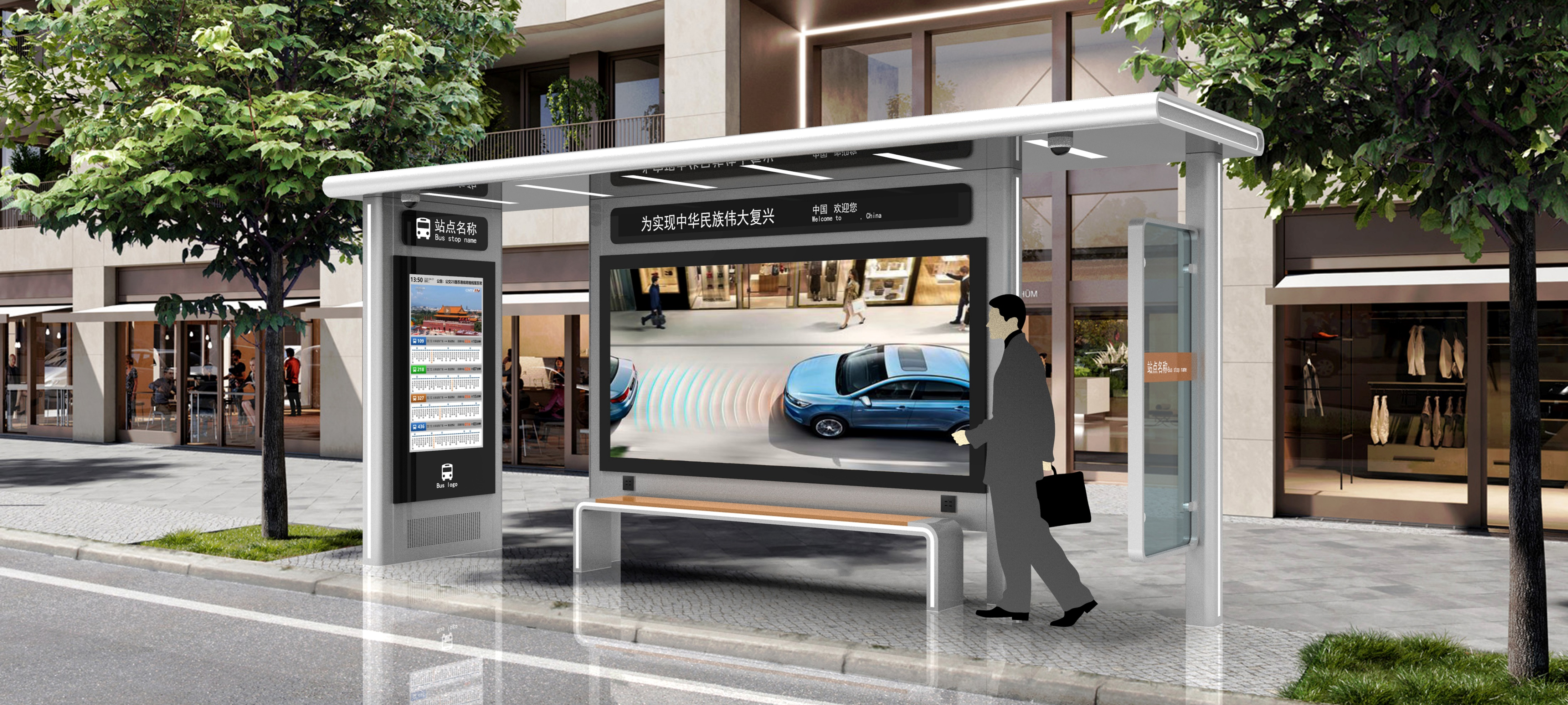
A standard bus shelter and a fully customized model may require very different production processes.
Shelter length, roof design, glass panel dimensions, seating arrangements, and decorative structures can all affect material usage and fabrication complexity.
Non-standard shapes may require additional engineering, specialized fabrication, and different assembly methods.
For projects involving multiple locations, modular bus shelter designs may help simplify production and installation, depending on the required configuration.
3. Glass, Roofing, and Surface Finishes
Glass panels and exterior finishes can significantly influence the total cost.
For example, tempered glass and laminated safety glass offer different characteristics. Glass thickness, dimensions, and installation methods must also match local safety requirements.
Similarly, galvanized surfaces, powder-coated finishes, and stainless steel components involve different material and processing costs.
For coastal, humid, or highly exposed environments, selecting suitable corrosion protection can be especially important.
A lower initial quotation may not represent the most economical solution if the materials require frequent maintenance.
4. Smart Features and Electrical Systems
Modern smart bus shelters can include more than basic roofing and seating.
Depending on project requirements, optional features may include:
- LCD or LED passenger information displays
- Solar panels and battery storage systems
- LED lighting and advertising light boxes
- USB or wireless charging facilities
- Network connectivity and remote management systems
- Air conditioning for enclosed bus shelters
Each feature adds equipment, electrical integration, installation, and potential maintenance requirements.
For example, the cost of a solar-powered bus shelter depends not only on the solar panels but also on battery capacity, daily energy consumption, and backup power requirements.
Buyer’s tip: Confirm which smart features, software services, and electrical accessories are included in the quotation.
5. Manufacturing Processes and Quality Control
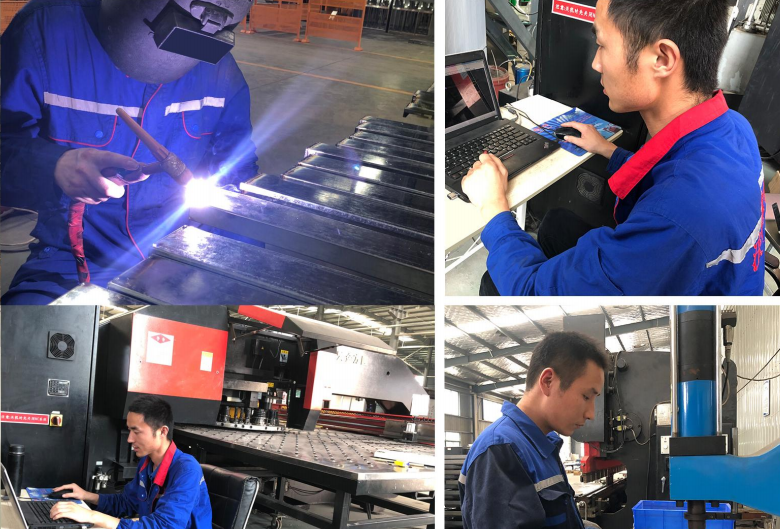
Manufacturing quality is another important consideration when comparing bus shelter suppliers.
Cutting accuracy, welding quality, surface preparation, protective coating, component assembly, and inspection procedures can influence production costs.
Although some of these differences may not be obvious in product photographs, they can affect structural consistency, installation efficiency, and long-term maintenance.
Buyers should ask manufacturers about their production processes, inspection procedures, and quality documentation.
6. Packaging, Shipping, and Installation
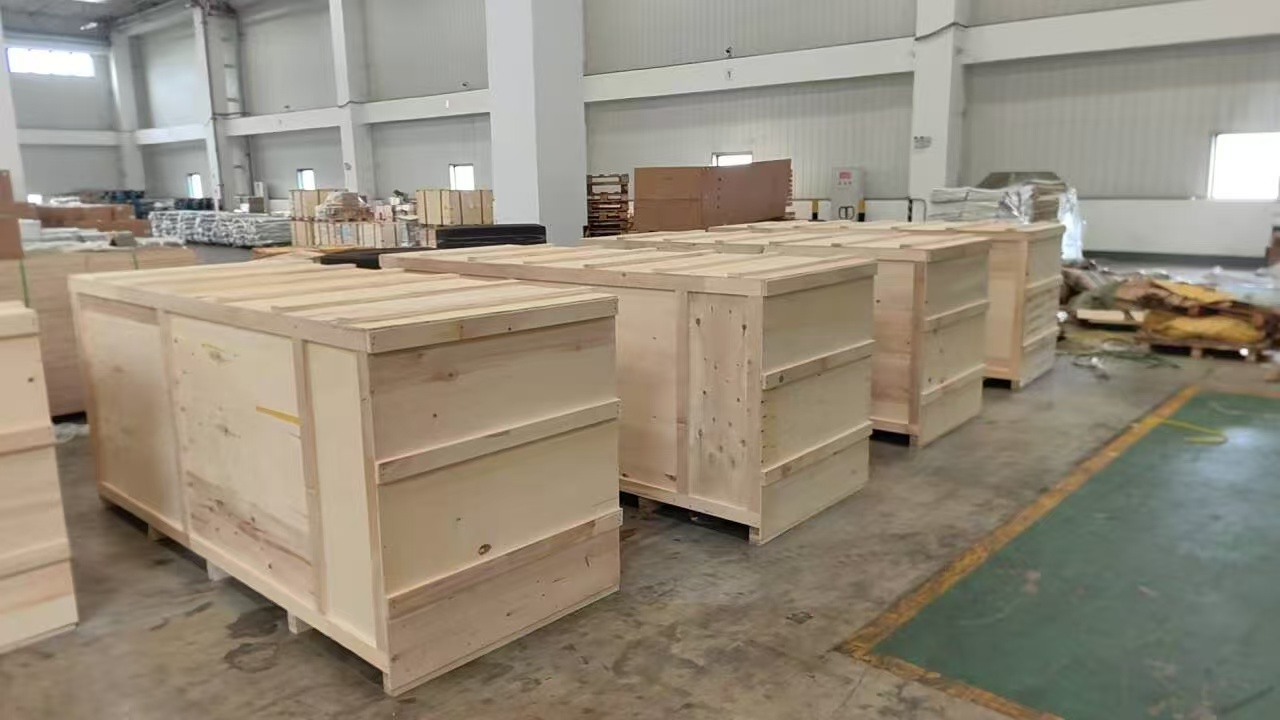
For international buyers, the factory price is only part of the overall project cost.
Large shelters may require modular packaging, protective materials, container loading arrangements, and local installation work.
Shipping costs depend on product dimensions, shipment volume, destination, and delivery terms.
A quotation that excludes shipping, foundations, electrical connections, or installation may appear cheaper than a more complete offer.
Before placing an order, buyers should confirm the delivery scope, packaging method, assembly requirements, and responsibilities at the installation site.
How to Compare Bus Shelter Quotations Fairly
When evaluating different suppliers, buyers should compare quotations based on the same technical requirements.
A useful comparison should cover structural materials, dimensions, glass specifications, surface treatments, electrical features, warranty terms, delivery scope, and installation responsibilities.
The lowest purchase price does not necessarily mean the lowest overall project cost. Durability, maintenance requirements, and component replacement should also be considered.
Custom Bus Shelter Solutions from RUSUU
Shanghai RUSUU is a manufacturer specializing in the research, development, production, and service of intelligent public transportation facilities.
Our product range includes custom bus shelters, solar-powered bus shelters, enclosed bus shelters, and electronic bus stop displays.
RUSUU provides modular and customized solutions according to project requirements, including structural configurations, materials, display systems, lighting, and optional smart features.
By discussing technical requirements and application conditions before production, we help customers select suitable configurations and understand the scope of their investment.
Conclusion
The price of a bus shelter is determined by much more than its size or appearance. Materials, structural design, manufacturing quality, smart technology, and delivery arrangements all contribute to the final cost.
For public transport authorities, contractors, and international distributors, a clear technical specification is the foundation of a meaningful price comparison.
Planning a bus shelter project? Contact Shanghai RUSUU to discuss your design requirements, functional options, and customized manufacturing solutions.
Post time: Nov-19-2026