
Choosing the right materials and manufacturing processes is essential for long-lasting bus shelters in different outdoor environments.
A bus shelter is a long-term investment in public transportation infrastructure. Whether installed on a busy urban street, in a coastal area, or in a region with extreme temperatures, it must withstand daily use and changing weather conditions.
For city planners, contractors, and public transport operators, durability is one of the most important factors when selecting an outdoor bus shelter manufacturer.
At Shanghai RUSUU, material selection, structural design, and manufacturing considerations are key parts of developing customized bus shelter solutions for different environments.
1. Choosing the Right Materials for Outdoor Bus Shelters
The durability of a bus shelter begins with its structural materials. Common options include galvanized steel, stainless steel, aluminum alloy, and tempered glass.
Galvanized Steel – Strength and Corrosion Protection
Galvanized steel is widely used in bus shelter frames because it offers structural strength and corrosion protection through its zinc coating. It is a practical choice for many public transportation projects, provided that coating specifications and environmental conditions are properly considered.
Stainless Steel – Suitable for Demanding Environments
Stainless steel offers good corrosion resistance and a clean, modern appearance. Depending on the selected grade, it can be suitable for humid or coastal environments where corrosion protection is particularly important.
Aluminum Alloy – Lightweight and Flexible Design
Aluminum alloy is valued for its relatively low weight, corrosion resistance, and flexibility in architectural design. It is commonly considered for modern bus shelters with streamlined structures and customized exterior finishes.
Tempered Glass – Visibility and Passenger Protection
Tempered safety glass is often used for bus shelter side panels and enclosures. It provides visibility, weather protection, and a contemporary appearance. Glass thickness, support details, and safety requirements should be selected according to the project.
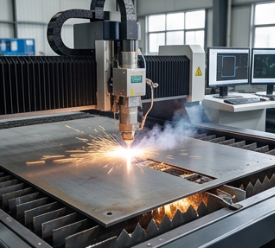
2. Why Manufacturing Quality Matters
Even high-quality materials cannot guarantee long-term durability without appropriate manufacturing processes.
For outdoor bus shelter production, several details deserve attention:
- Structural fabrication: Accurate cutting, welding, and assembly help maintain structural consistency.
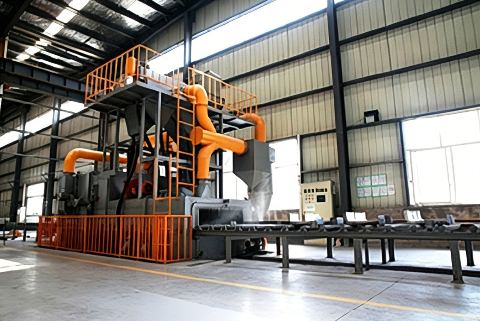
- Surface treatment: Galvanizing, powder coating, and other protective finishes can help reduce corrosion risks.
- Connection design: Proper fasteners, joints, and anchoring details contribute to structural stability.
- Water management: Roof drainage and suitable sealing help limit water accumulation and leakage.
- Quality inspection: Checking dimensions, surface finishes, connections, and component installation helps identify potential problems before delivery.
These manufacturing considerations affect not only the appearance of a shelter but also its maintenance requirements and long-term performance.
3. Designing Bus Shelters for Different Climates
There is no single material specification suitable for every outdoor environment.
In hot and sunny regions such as the Middle East, material finishes, thermal expansion, and resistance to prolonged UV exposure require careful consideration.
For cold regions such as Russia, snow loads, low-temperature material performance, and protection against moisture are important design factors.
In European urban environments, bus shelter projects may need to balance weather resistance, architectural appearance, and ease of maintenance.
For coastal locations, corrosion resistance becomes particularly important, especially for exposed metal components and connections.
Selecting materials according to local conditions helps reduce avoidable maintenance and supports more reliable long-term operation.
4. Customized Outdoor Bus Shelter Manufacturing by RUSUU
Shanghai RUSUU specializes in the research, development, and manufacturing of intelligent public transportation facilities, including custom bus shelters, solar-powered bus shelters, and electronic bus stop displays.
With experience serving international projects, RUSUU provides customized solutions based on structural requirements, environmental conditions, functional configurations, and architectural preferences.
Depending on project needs, bus shelters can integrate LED lighting, LCD passenger information displays, solar power systems, advertising light boxes, and other smart features.
Our goal is to combine practical structural design, suitable materials, and intelligent functionality to create bus shelters that meet the needs of different public transportation environments.
Conclusion
A durable outdoor bus shelter depends on more than strong materials. Structural design, corrosion protection, manufacturing quality, and local climate conditions all contribute to its performance.
For contractors and public transportation authorities, choosing a manufacturer that understands these factors is an important step toward building reliable and maintainable transit infrastructure.
Looking for a custom outdoor bus shelter manufacturer?
Contact Shanghai RUSUU to discuss material options, structural configurations, and customized solutions for your next public transportation project.
Post time: Nov-10-2026