
As cities continue to invest in smart public transportation infrastructure, solar-powered bus shelters are becoming an increasingly practical solution for modern urban environments. By combining renewable energy with passenger comfort and intelligent features, these shelters can reduce operating costs, support sustainable development goals, and improve the overall transit experience.
However, designing a solar bus shelter is not simply about adding panels to the roof. Climate conditions play a critical role in determining the structure, materials, power system, and functional configuration of each project.
At Shanghai RUSUU, we understand that different regions require different design strategies. From cold-weather applications in Russia to hot-climate projects in the Middle East and weather-conscious solutions in Europe, climate-responsive customization is essential for long-term performance.
Why Climate Matters in Solar-Powered Bus Shelter Design
A solar-powered bus shelter must perform reliably in real outdoor conditions. Temperature, sunlight intensity, rainfall, humidity, wind, snow, and dust all affect how the shelter is designed and manufactured.
Key design considerations include:
- Solar panel integration and orientation
- Battery storage and power management
- Structural durability and weather resistance
- Thermal comfort for passengers
- Lighting, display systems, and optional smart features
- Ease of maintenance in local environmental conditions
A well-designed shelter should not only look modern, but also remain durable, energy-efficient, and practical throughout daily operation.
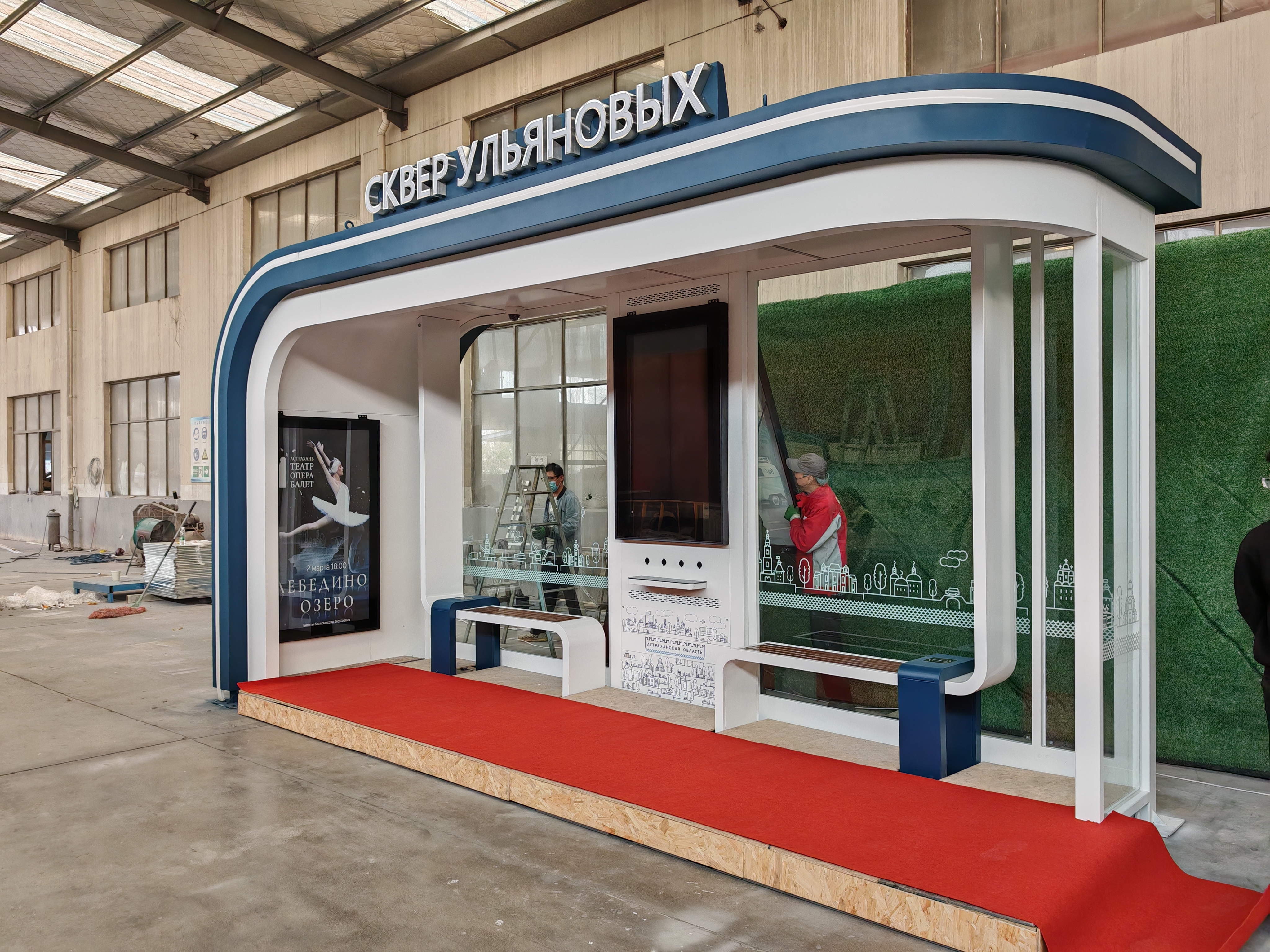
Designing for Cold Climates: Russia Solar Bus Shelter Projects
In cold regions such as Russia, bus shelters must withstand low temperatures, snow loads, strong winds, and extended winter conditions. This means the structure needs to be robust, the materials must offer strong weather resistance, and the solar power system must remain stable even during shorter daylight periods.
For this type of environment, key design priorities often include:
- Reinforced structural design for snow and wind resistance
- Durable metal materials with protective surface treatment
- Reliable battery storage for reduced sunlight periods
- Enclosed or semi-enclosed layouts to improve passenger comfort
- Energy-efficient lighting and display systems
RUSUU’s experience with solar-powered bus shelter solutions for cold-climate projects reflects the importance of balancing renewable energy use with real-world durability and passenger protection.
Designing for Hot Regions: Middle East Bus Shelter Solutions
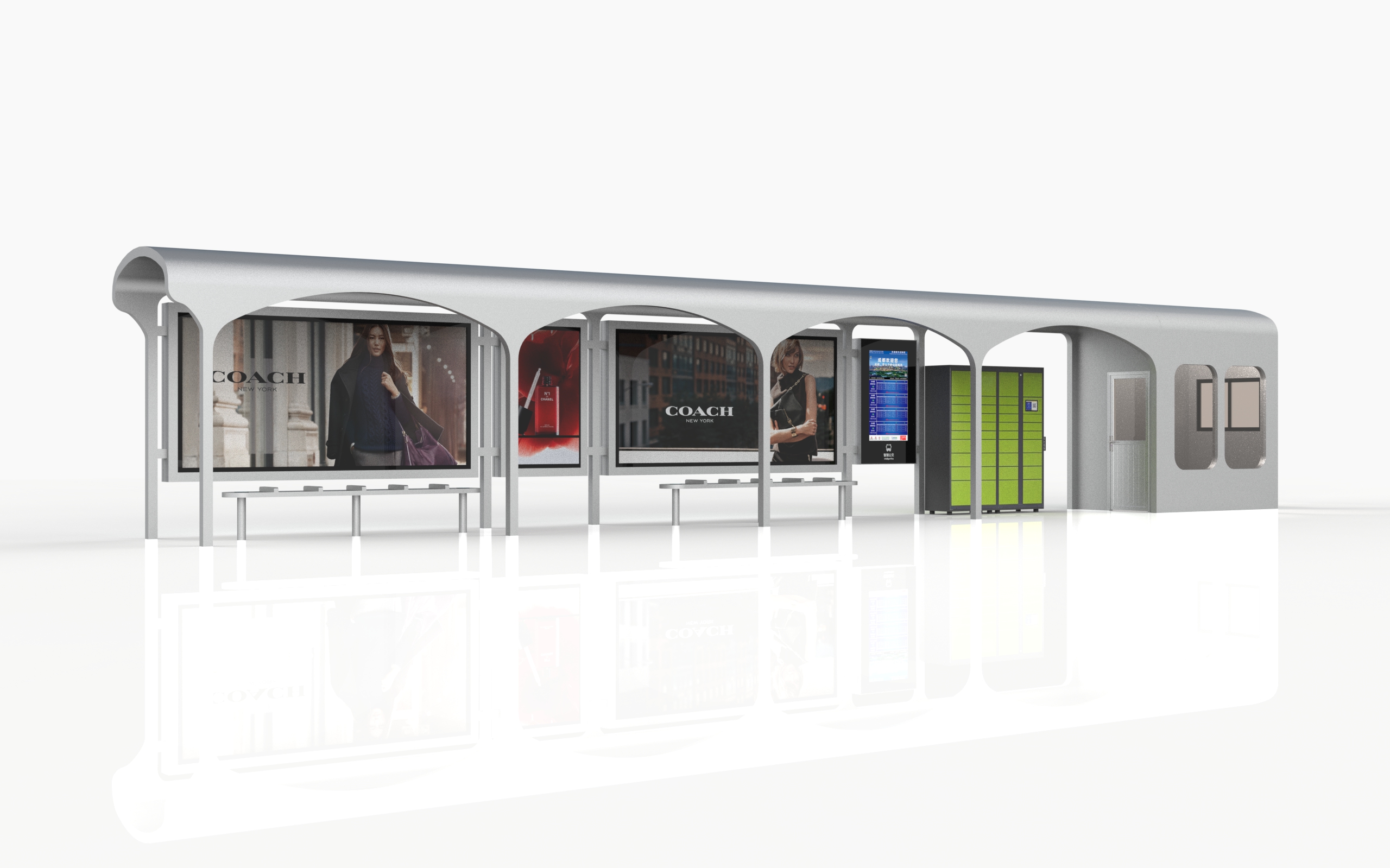
In hot and sunny regions such as the Middle East, solar power offers clear advantages, but shelter design must also address extreme heat, strong sunlight, and long outdoor exposure.
For these projects, the focus is often on both energy efficiency and passenger comfort. In some cases, enclosed shelters with air conditioning are preferred to create a more comfortable waiting environment.
A typical hot-climate bus shelter design may include:
- Roof-mounted solar panels for renewable energy support
- Large LCD display systems for passenger information
- LED lighting for visibility and night use
- Wireless charging or USB charging functions
- Enclosed structure with ventilation or air-conditioning options
- Heat-resistant and weather-resistant materials
RUSUU has experience in customized bus shelter projects for Middle Eastern environments, where intelligent features and thermal comfort are both important parts of the overall solution.
Designing for European Conditions: Balanced Performance and Clean Design
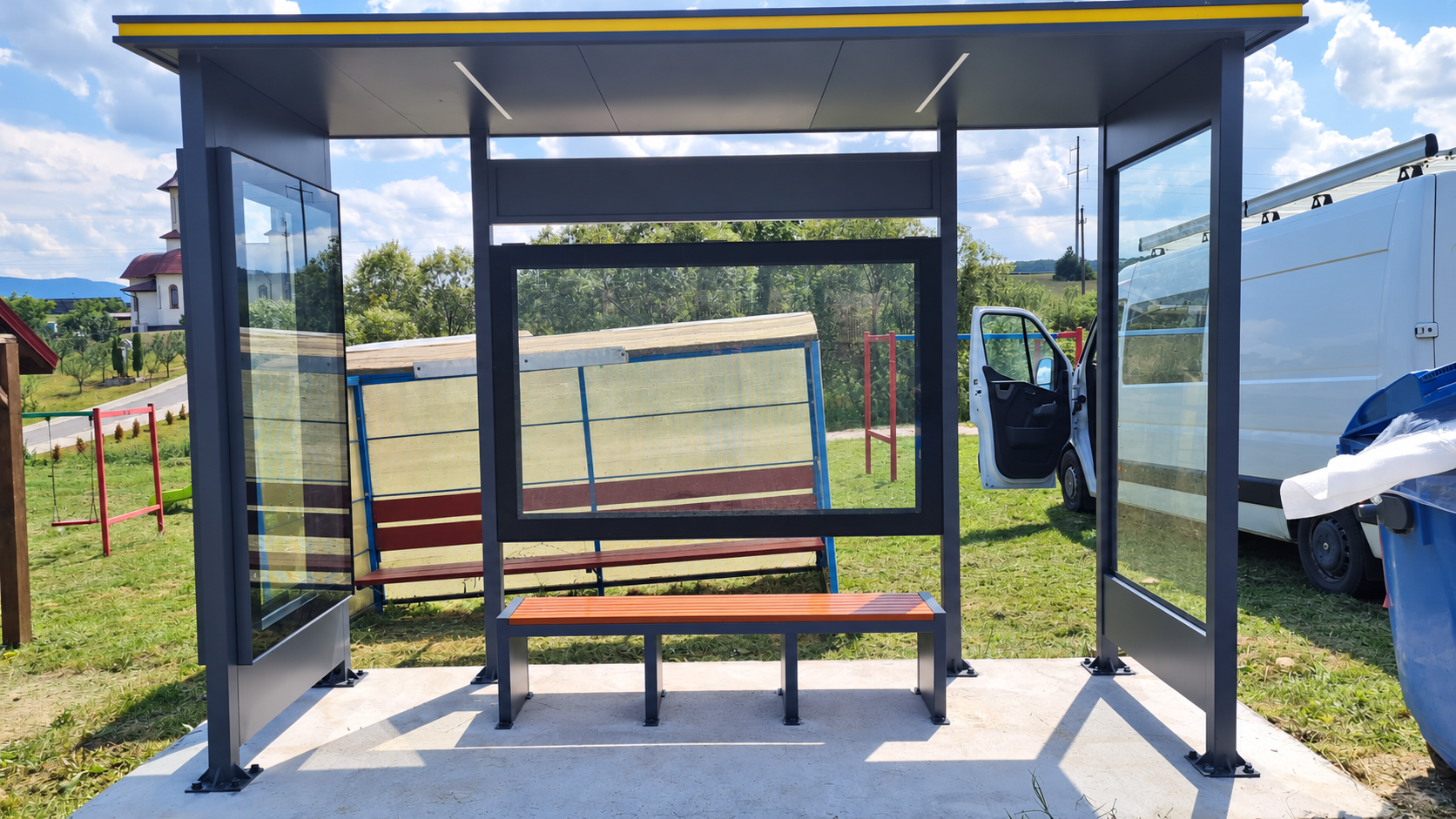
In European projects, solar-powered bus shelters often need to combine practical performance with a clean, modern appearance. Compared with extreme hot or cold climates, many European environments require a balanced approach that considers weather resistance, visual integration, and public usability.
For example, a 4-meter European bus shelter design may include:
- Integrated solar panels on the roof
- Battery storage system
- Double-sided LED advertising light boxes
- LED light strips for nighttime visibility
- Durable, weather-resistant materials
- A layout suitable for urban streets and public transport networks
This type of solution shows how solar-powered shelters can be both functional and visually adaptable to city infrastructure.
Custom Solar Bus Shelter Solutions from RUSUU
As a bus shelter manufacturer specializing in intelligent public transportation facilities, Shanghai RUSUU provides customized and modular solutions for different project requirements.
Our product capabilities include:
- Solar-powered bus shelters
- Smart bus shelters with LCD or LED display systems
- Enclosed bus shelters
- Customized bus shelter structures for different climates
- Passenger information integration
- Advertising and lighting systems
We believe that successful solar bus shelter design depends on understanding both the environment and the user experience. A project in Russia, the Middle East, or Europe cannot follow exactly the same design logic. That is why customized manufacturing and application-based design are so important.
Post time: Oct-20-2026